Rebulk

Blog

Updates from the Rebulk team on bulk inventory visibility, industrial AI, and the technology behind automated measurement.

GuideTransload
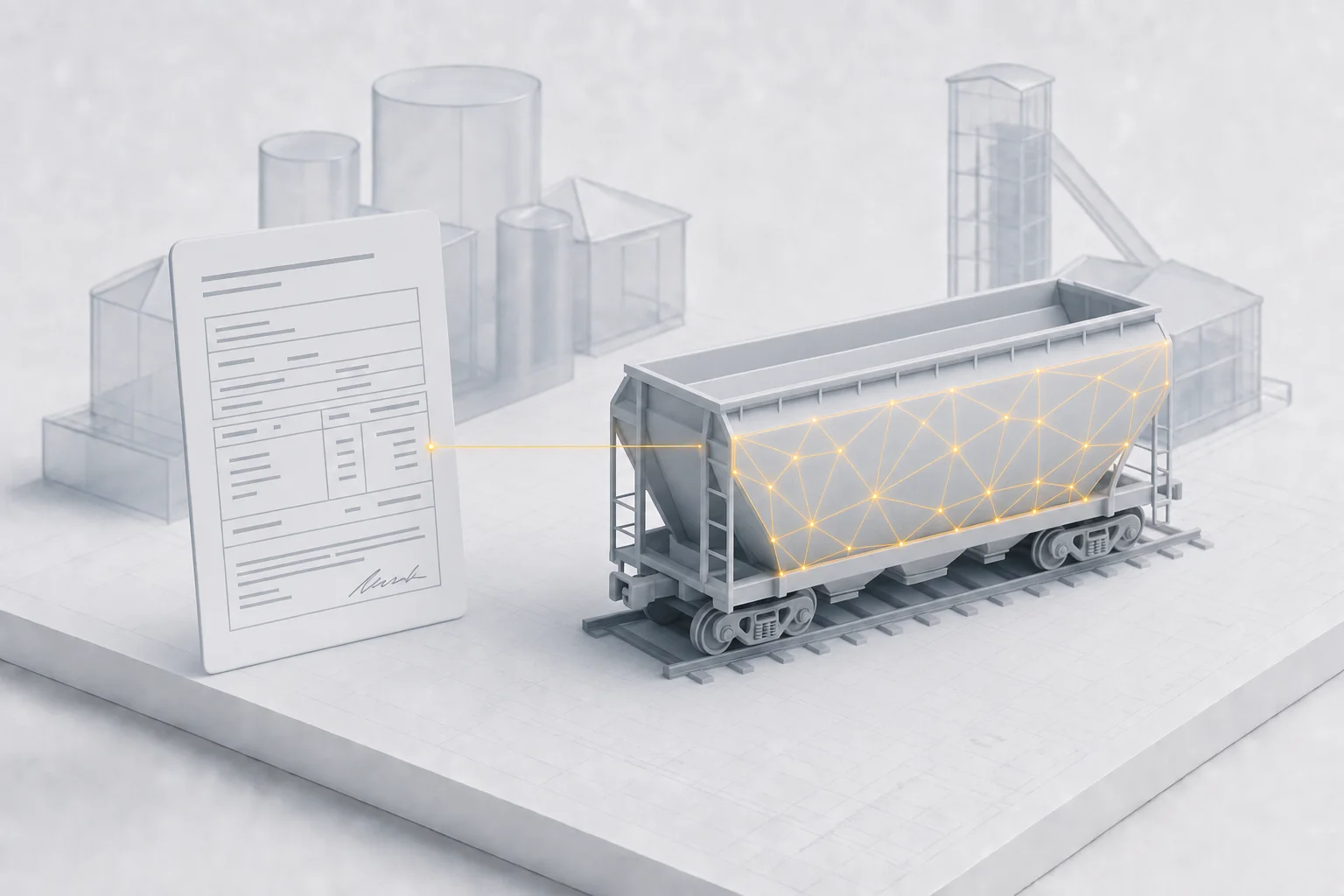
What Is a Bill of Lading? What a BOL Is, What's On It, and Why Terminal Billing Gets Hard
A bill of lading is the carrier's receipt, contract, and title document for a shipment, all at once. This guide defines the BOL, breaks down its types and the fields on it, sorts it out from the waybill, invoice, and packing list, and shows how it sits at the center of the reconciliation that makes bulk-terminal billing hard.
July 20268 min read
Read
GuideTransload
What Is Cross-Docking? How It Works, the Types, and How It Differs From Warehousing and Transloading
Cross-docking moves inbound freight straight to outbound with little or no storage in between. This guide defines it, walks the types, compares it with warehousing and transloading, weighs the benefits against the tight timing it demands, and explains why fast-moving freight is the hardest to keep on one record.
July 20266 min read
Read
GuideTransload
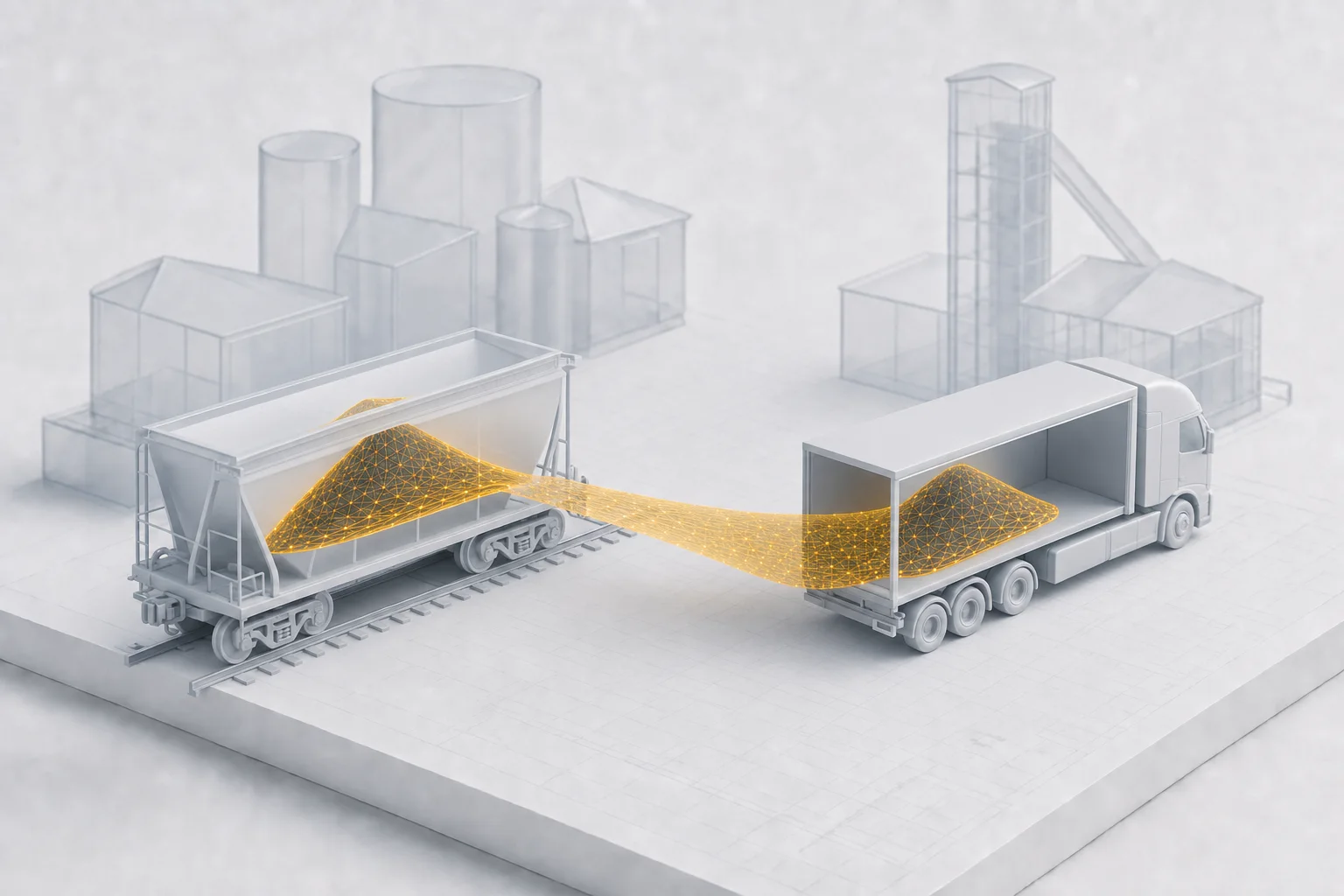
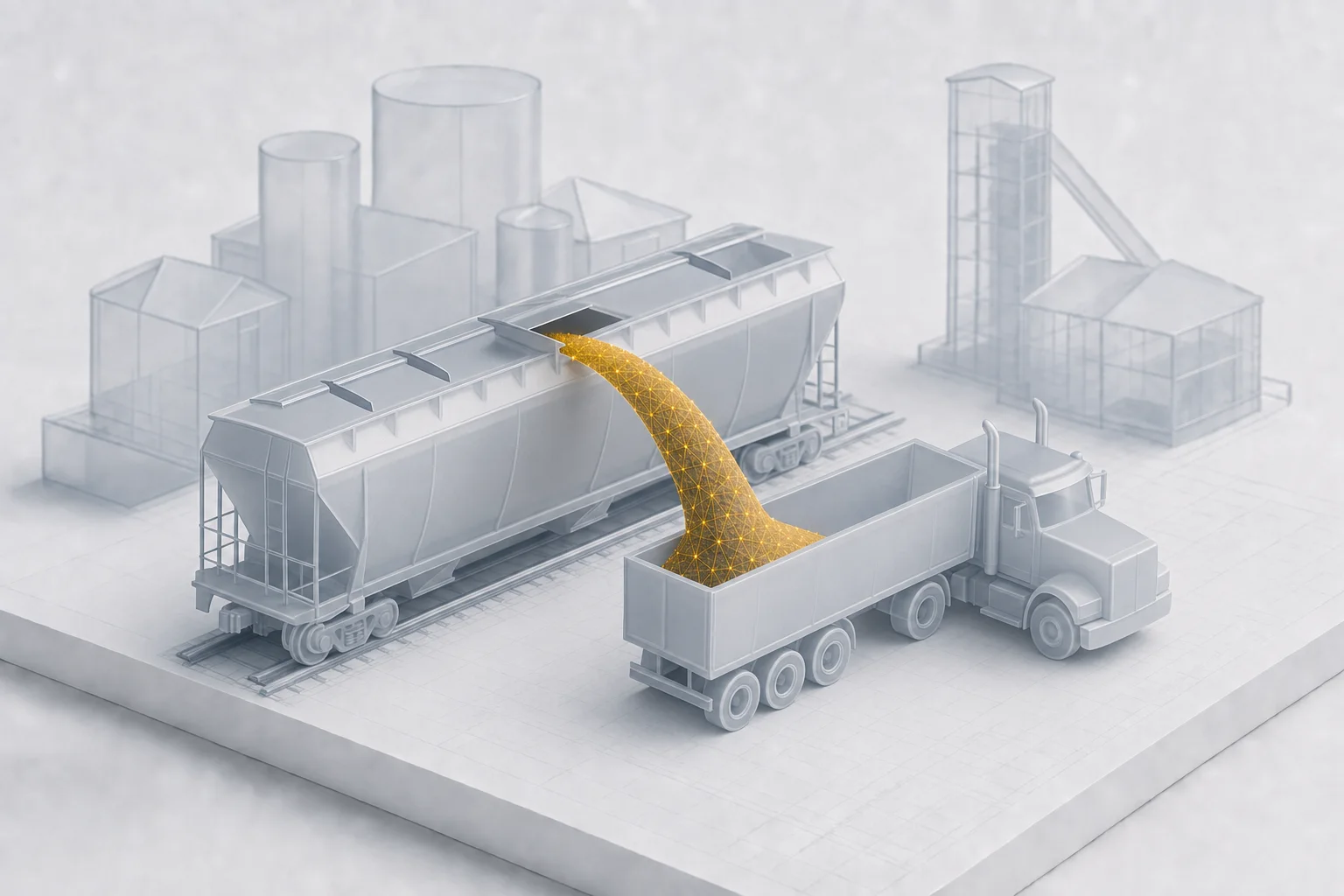
What Is Transloading? How Bulk Freight Moves Between Modes, and Why the Paperwork Gets Hard
Transloading is transferring freight from one mode to another, most often rail to truck, at a terminal built for the handoff. This guide defines it, walks the step-by-step flow, compares it with transshipment and cross-docking, and shows why the inventory and billing behind it, spanning many owners, products, and documents, is the genuinely hard part.
July 20266 min read
Read
GuideTransload
Bulk vs Break Bulk Cargo: The Difference, and How to Track Inventory for Both
Bulk cargo moves loose and gets measured by volume or weight; break bulk moves as individual, countable units. This guide defines both, puts them side by side, and shows how a terminal that handles both keeps one inventory record: measured for the bulk piles, counted for the break bulk.
July 20265 min read
Read
GuideRail
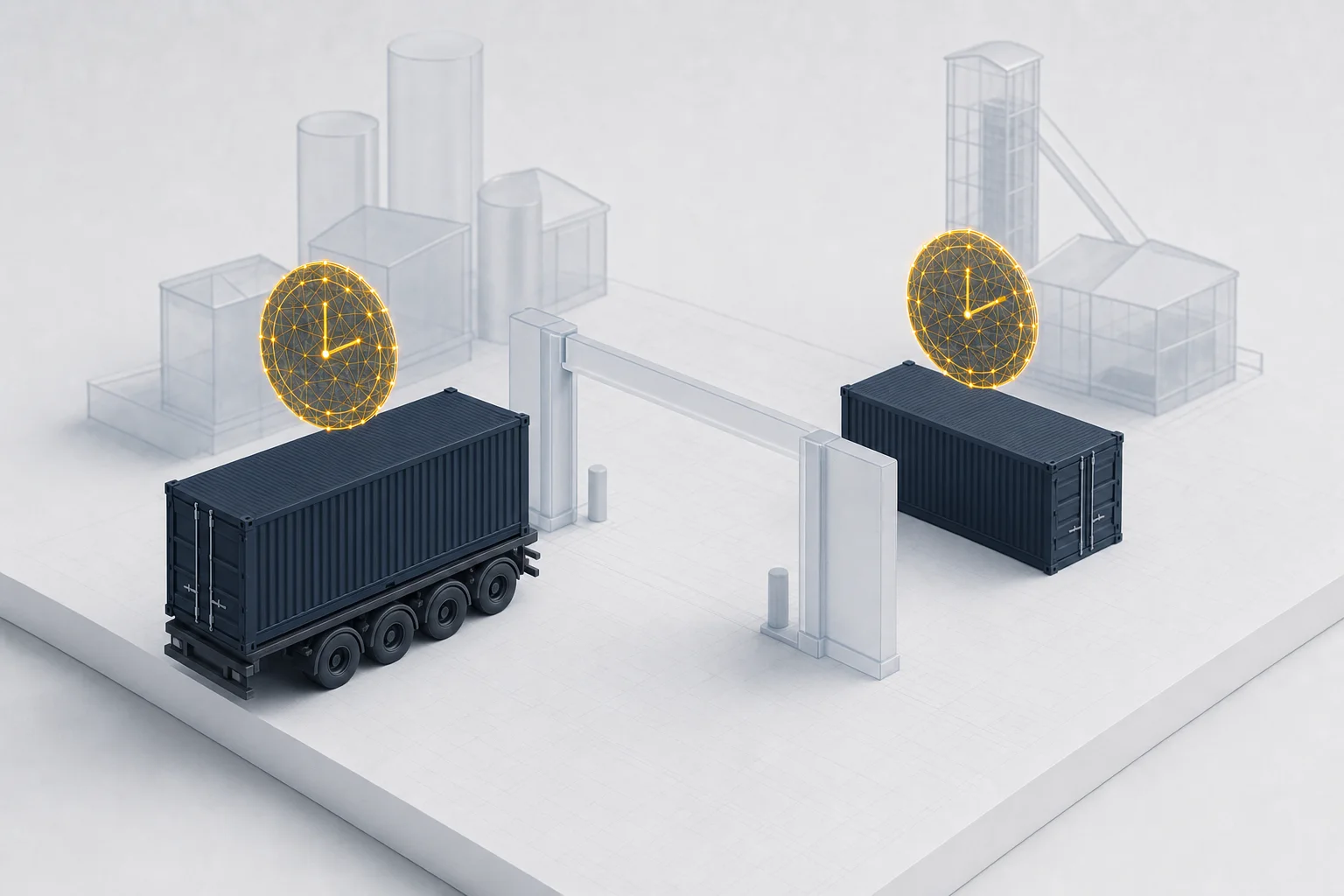
Demurrage vs. Detention: What's the Difference, Who Charges It, and How to Avoid Both
Demurrage is the charge for equipment sitting inside the terminal past free time; detention is the charge for equipment out in your custody. Clear definitions for ocean and rail, a side-by-side comparison table, real rate ranges, and the operational fixes that stop both clocks from billing you.
July 20266 min read
Read
GuideRail
Rail Scale Alternatives: How to Prevent Railcar Overloads Without a Track Scale
A track scale is the gold standard for railcar weights, and a six-figure construction project. This guide covers the real alternatives: coupled-in-motion systems, portable wheel scales, routing over someone else's scale, and volumetric load measurement that catches overloads while the car is still loading. Costs, accuracy, certification trade-offs, and when each approach wins.
July 20267 min read
Read
GuideStockpile Measurement
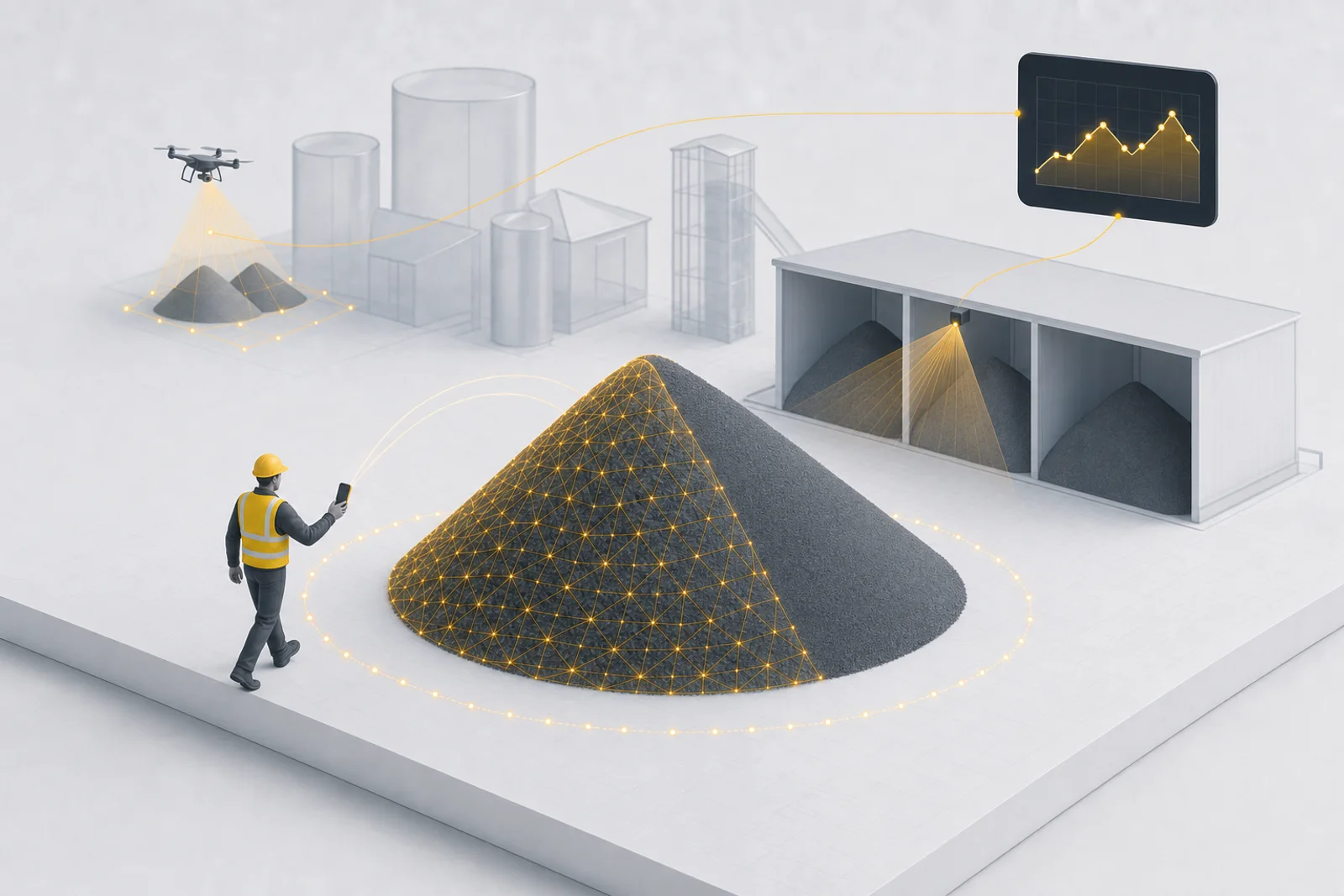
The Best Ways to Measure Stockpile Volume in 2026: Phone, Drone, and LiDAR Compared
An honest comparison of every stockpile measurement method: walk-around estimates with the cone formula, phone scanning apps like SR Measure and Rebulk mobile capture, drone photogrammetry with Propeller or Pix4D, professional laser-scanning surveys, and fixed LiDAR sensors. Real accuracy numbers for each, where every method breaks down, and why the real dividing line isn't phone vs. drone. It's one-off snapshots vs. continuous measurement.
July 20269 min read
Read

Want to see Rebulk in action?

Talk to our team about automating bulk inventory at your facility.