
Industries
Manufacturers
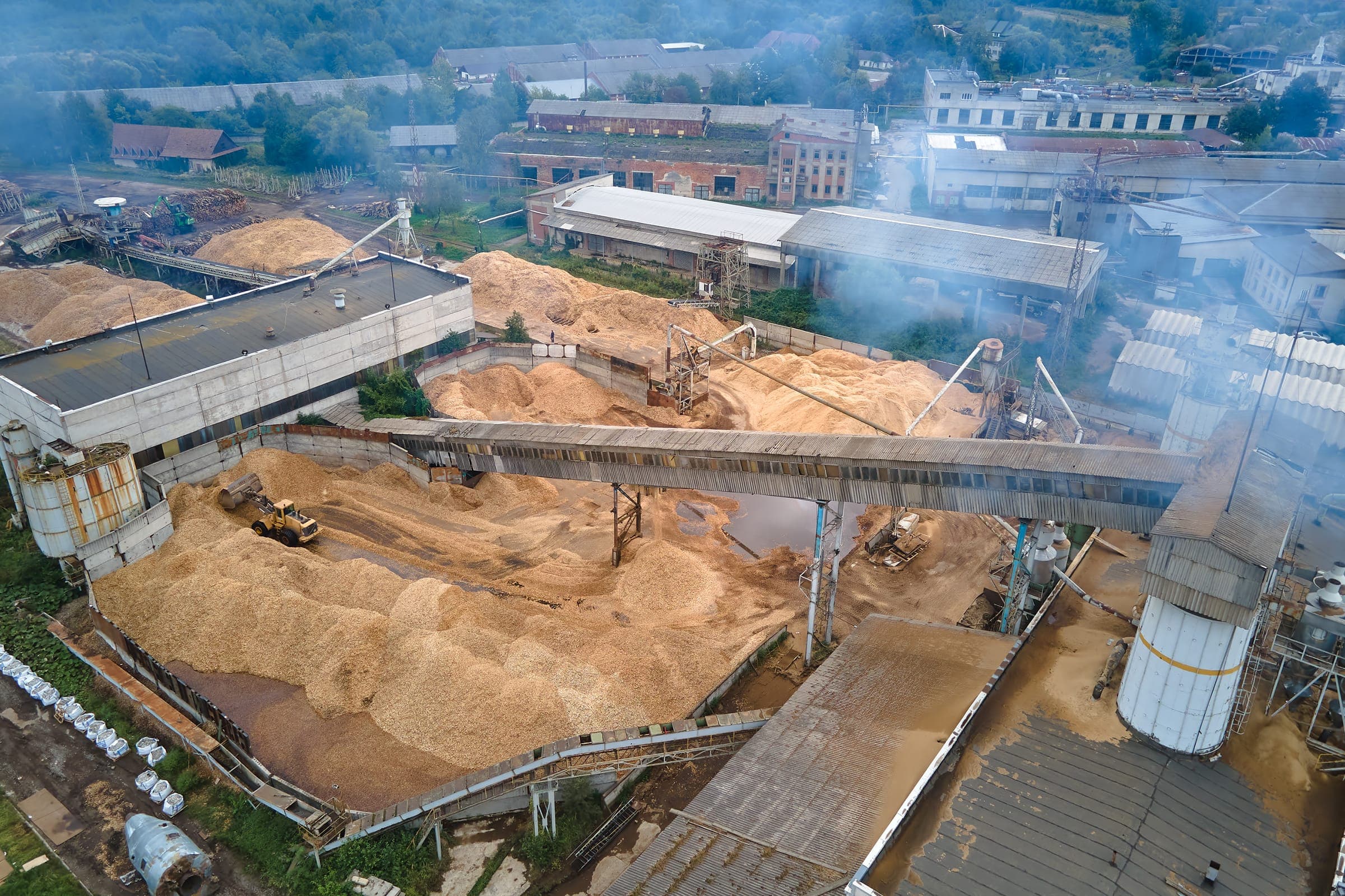
Plants that consume or produce bulk material on a rail spur. Production planning depends on what is inbound and what is on the ground, and both usually come down to a phone call and a spreadsheet. Rebulk makes them numbers you can see.
The Operation
The plant runs on material that has to be here on time
Between the railroad and the process, a rail-served plant is running its own small terminal: cars to spot, material to unload, storage to keep full, and a schedule that does not wait.
- A private siding or spur served by a Class I or short line, with cars spotted a few at a time.
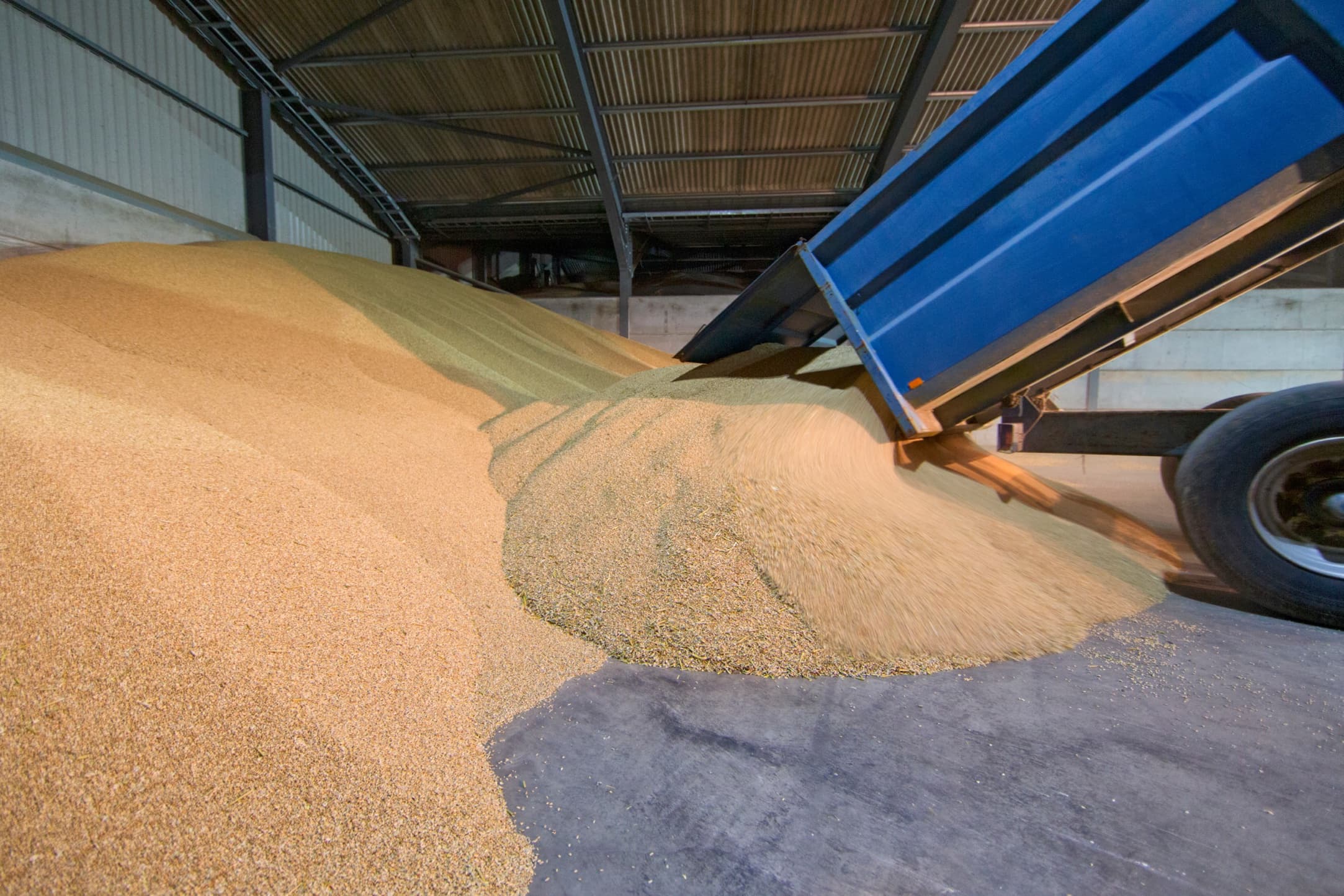
- Raw material unloaded into silos, bins, tanks, or an open pile, then fed to the process.
- Finished product leaving by truck, and at some plants back out by rail.
- Purchasing committing to volumes weeks ahead of the material actually arriving.
- A production schedule that assumes the next car shows up on time.
- On-hand material measured by sounding a bin, walking the pile, or counting deliveries.
The Operational Challenge
Nobody at the plant can see the supply line
The two numbers that decide whether the plant keeps running, what's inbound and what's on hand, are the two nobody can pull up.
You find out cars arrived when they arrive
Release, interchange, and ETA information sits in railroad portals and inboxes. The plant plans around a phone call, and the unloading crew finds out the same morning.
On-hand raw material is an estimate
Bins get sounded, piles get eyeballed, and the reorder decision rests on a number nobody fully trusts. The correction shows up as a rush order or a production stop.
Cars sit on the spur and become demurrage
Unloading competes with production for the same people and equipment. Nobody is running a clock on each car until the railroad's invoice explains what happened.
Purchasing and the plant floor use different numbers
Receipts, consumption, and inventory live in separate spreadsheets and an ERP that was never built around bulk material. Reconciling them is a monthly exercise.
The Workflow
From the inbound car to the process
Each step below names the product that runs it, and whether that product is live today or still being built.
- Step 1
See the car before it gets here
Track inbound railcars from release across the network, so unloading crews and production plan around cars that are actually moving.
- Step 2
Know when it lands and how long it sits
Placement and dwell tracked per car on your spur, so the demurrage clock is something you watch instead of something you receive.
- Step 3
Unload against the right material
What came off the car lands on the silo, bin, tank, or pile it went into, tied to the commodity and the supplier it came from.
- Step 4
Measure what's on the ground
Continuous, drone, and mobile capture measures on-hand material instead of estimating it, across bins, tanks, and open storage.
- Step 5
Watch usage and days remaining
Average daily usage and projected depletion tell purchasing when the next car has to be on the property, not after the fact.
- Step 6
Feed the business systems
Receipts, consumption, and shipments becoming the same data purchasing, costing, and billing work from, instead of a re-entry job.
How much raw material is on the ground right now? Get tonnage from pile dimensions and material density with the free stockpile volume calculator.
The Products
What a plant runs on
The near-term value for a plant is Rebulk Inventory and Rebulk Track & Trace, both live now, with Rebulk Transload for the cars you unload yourself.
Product UI
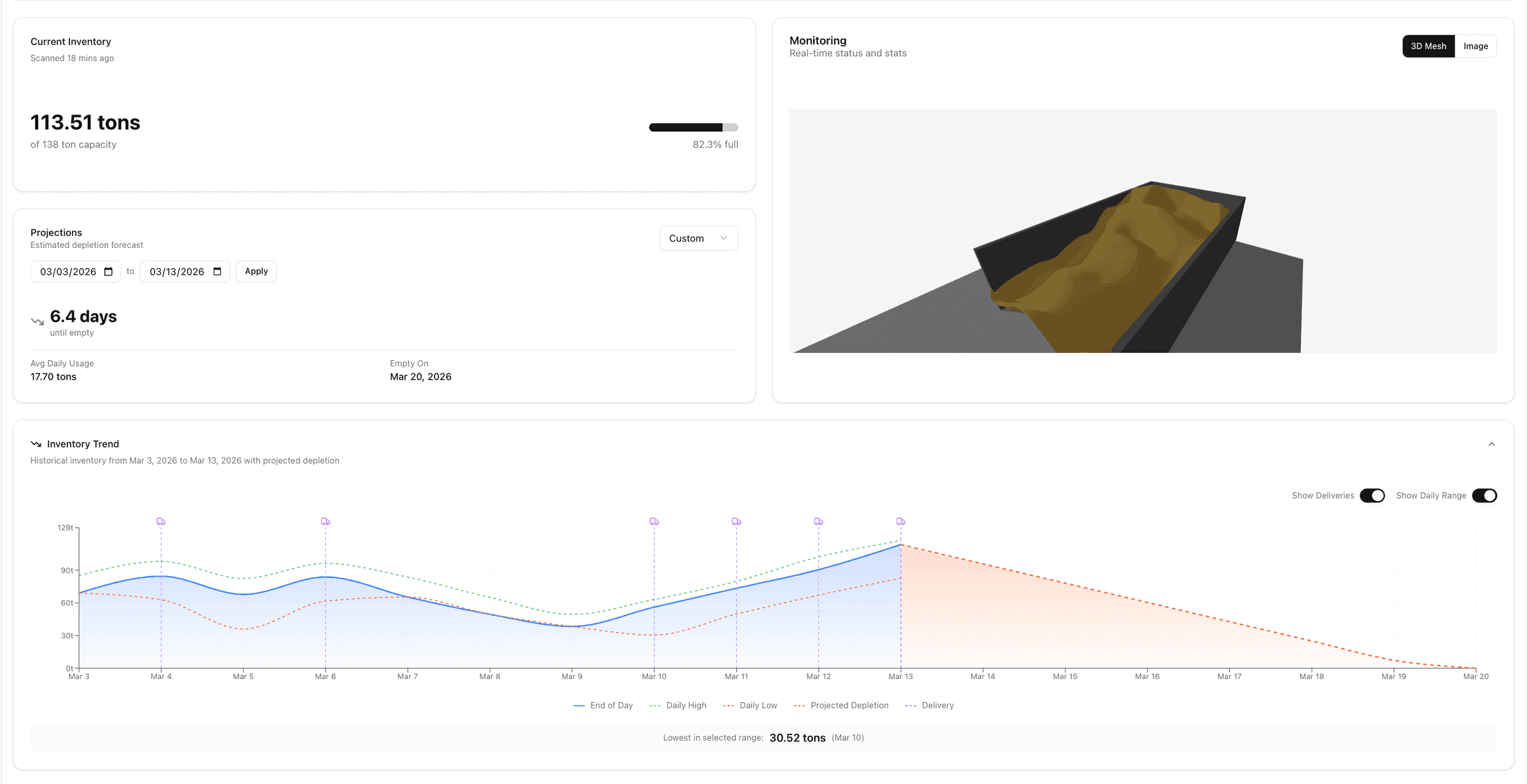
How much material is here, and how long it lasts
Measured tons on hand, average daily usage, and a projected empty date, so the next car gets ordered on a number instead of a hunch.

“Accurate measurement turns irregular piles into actionable data. Actionable data supports better operations. Better operations support scale.”
Know what's inbound and what's on the ground
Tell us what your plant consumes, how it arrives, and where it is stored. We'll show you what railcar visibility and measured inventory look like on your material.