
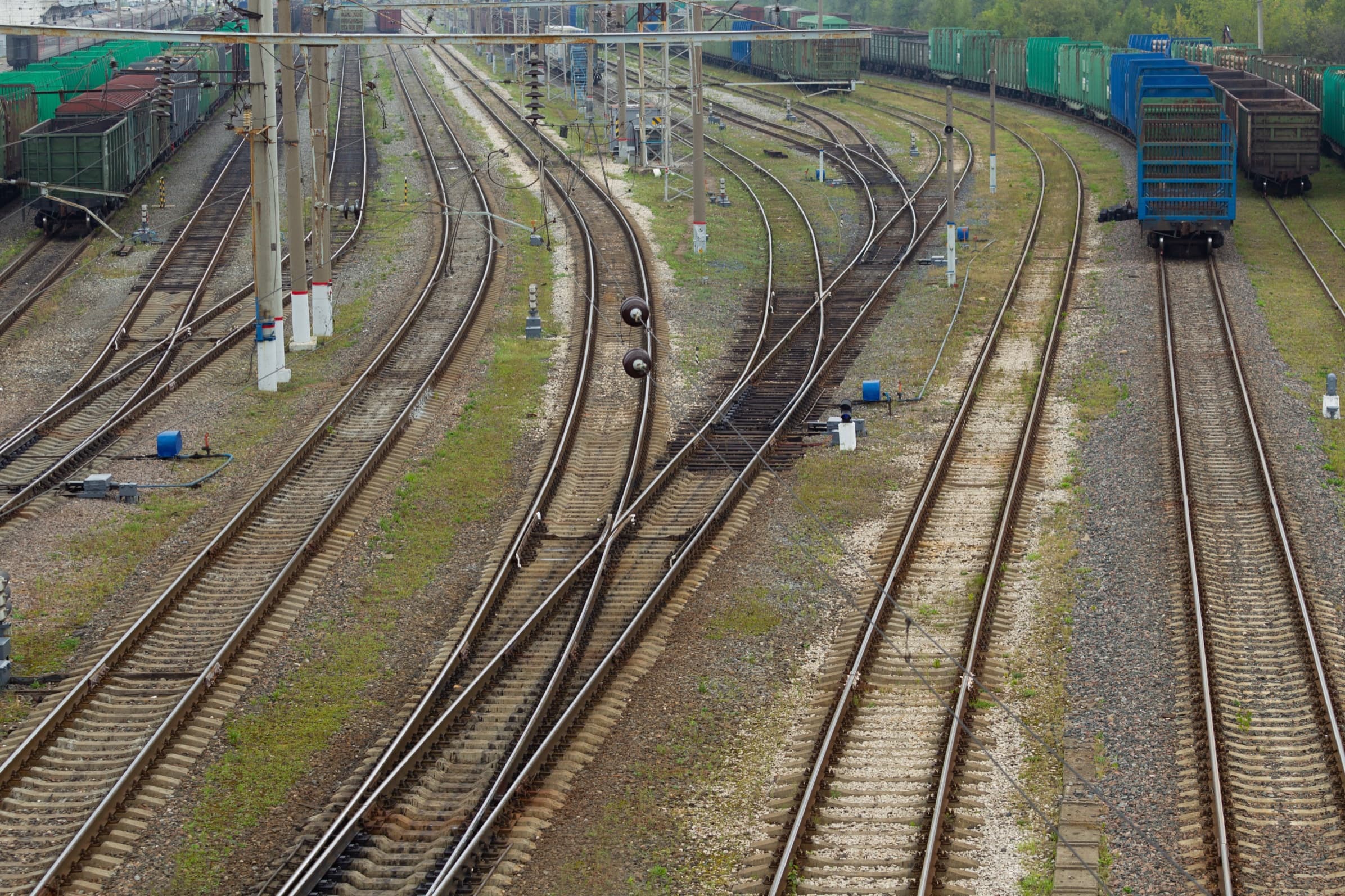
Move more cars and trucks through the same terminal.
Throughput is rarely a capacity problem. It's a coordination problem: car status on a whiteboard, tickets written on paper, and a day run over the radio. The track and the equipment aren't what's holding the terminal back.
Why it happens
A terminal loses hours in small places, and almost all of them are places where information stops moving.
Car tracking is still manual
What's on site lives in a spreadsheet someone updates once a shift and a whiteboard in the office. Confirming it means a walk down the track.
Paper tickets move slower than the product
Scale tickets and bills of lading are written by hand at the rack, then keyed in hours or days later. Until that happens, nobody downstream can act on the work.
The day is coordinated over the radio
The plan changes by mid-morning. The crew, the scale house, and the office each end up working from a different version of it.
Trucks wait on paperwork, not on product
A driver sits at the gate while someone finds the right BOL, confirms the customer and commodity, and writes the ticket. That wait is throughput you already paid for.
How many cars a day could your track actually turn? Model spots, shifts, and transfer rates with the free rail transload planner.
How Rebulk solves it
Put the terminal on one operating record, capture the work where it happens, and stop making people wait on information.
One live picture of what's on site
Every car with its customer, commodity, track, spot, status, and dwell. The office, the scale house, and the crew work from the same screen instead of three versions of the day.
Work is captured where it happens
Transfers, weights, and completions are recorded at the rack on a device, not copied off a clipboard later. The record is current the moment the work is done.
Paperwork files itself
Built-in OCR reads inbound waybills, BOLs, and shipment records and lands them on the right car and customer. Your team stops doing data entry.
The gate stops being the bottleneck
Trucks are scheduled against the work on the ground, checked in against the right customer and shipment, and closed out with the scale ticket and documents already attached.
Products involved
Rebulk Transload is live and does the throughput work today. Yard is in early access with design partners, so start with Transload and add the rest as they come online.
One car, one truck, start to finish
The same five steps every day, with nothing waiting on a phone call or a stack of paper in between.
- 1
Inbound car logged
The waybill is read on arrival and the car lands on the operating record with its customer and commodity.
Rebulk Transload
- 2
Placed and sequenced
The car gets a track and a spot, and the day's switches are planned around the work that has to happen.
Rebulk Yard Switching · Early Access
- 3
Transfer recorded at the rack
Crews log the movement and the weight from the device in their hand, as it happens.
Rebulk Transload
- 4
Truck checked in and loaded
The driver is matched to the shipment, loaded, weighed, and released without a paperwork wait.
Rebulk Transload
- 5
Shipment closed, billing-ready
Documents, weights, and charges are already attached. Nothing gets rebuilt at month-end.
Rebulk Transload
Proof
Venezia Transport sees the whole operation at once
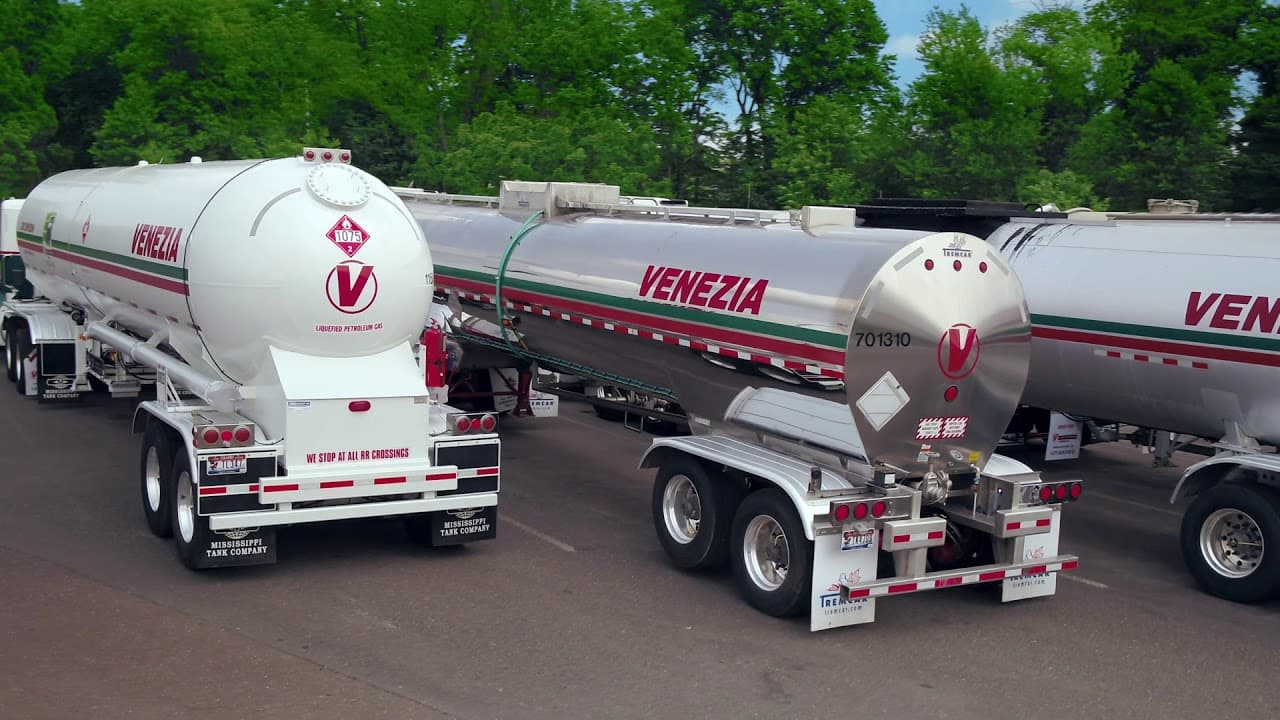
With 700+ trucks, 1,800+ trailers, and 21 terminals across 11 states, Venezia's bulk trucking and transload operation ran on information that had to be chased down and retyped before anyone could act on it.
Railcars, transfers, inventory, and paperwork now live on one record the whole operation reads from.
Read the Venezia Transport story“Before Rebulk, we were spending too much time chasing information and then manually inputting it. Now we can see what is happening across the operation much faster.”
See what your terminal could turn in a day
Walk us through how a car and a truck move through your terminal today. We'll show you where the waiting is, and what Rebulk looks like set up around your tracks, commodities, and customers.
Cars sitting longer than they should? Reduce railcar dwell.