
The challenge
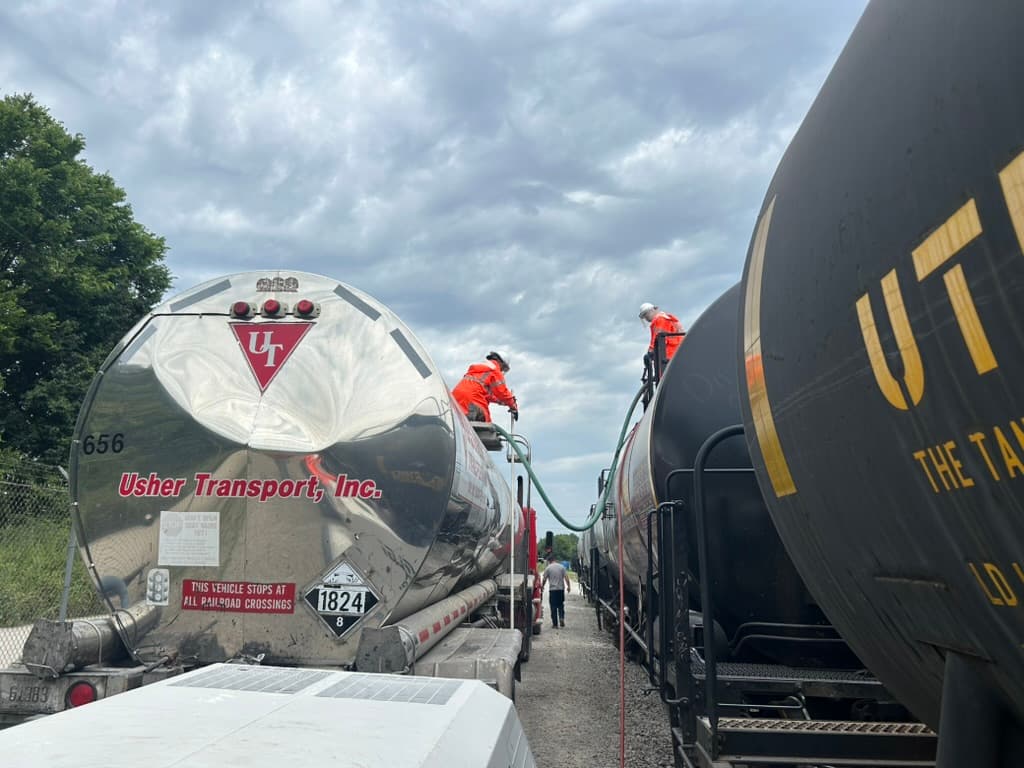
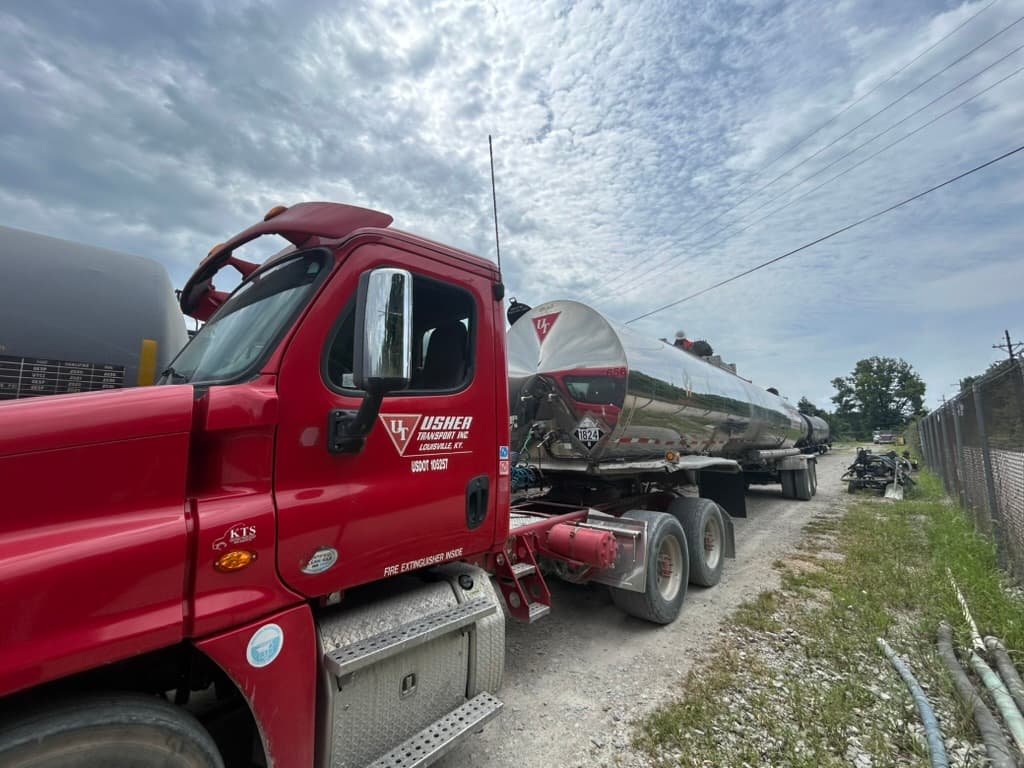
Usher's rail and transload operation moves product between railcars and tank trucks every day. It is hazmat-rated work where the paperwork matters as much as the pump. Keeping track of which cars were onsite, what had been transferred, where the documents lived, and what was ready to bill meant phone calls, clipboards, and stacks of paper moving hand to hand across the team.
For a carrier that holds itself to award-winning standards, “probably” wasn't a good enough answer to questions like:
Why Rebulk
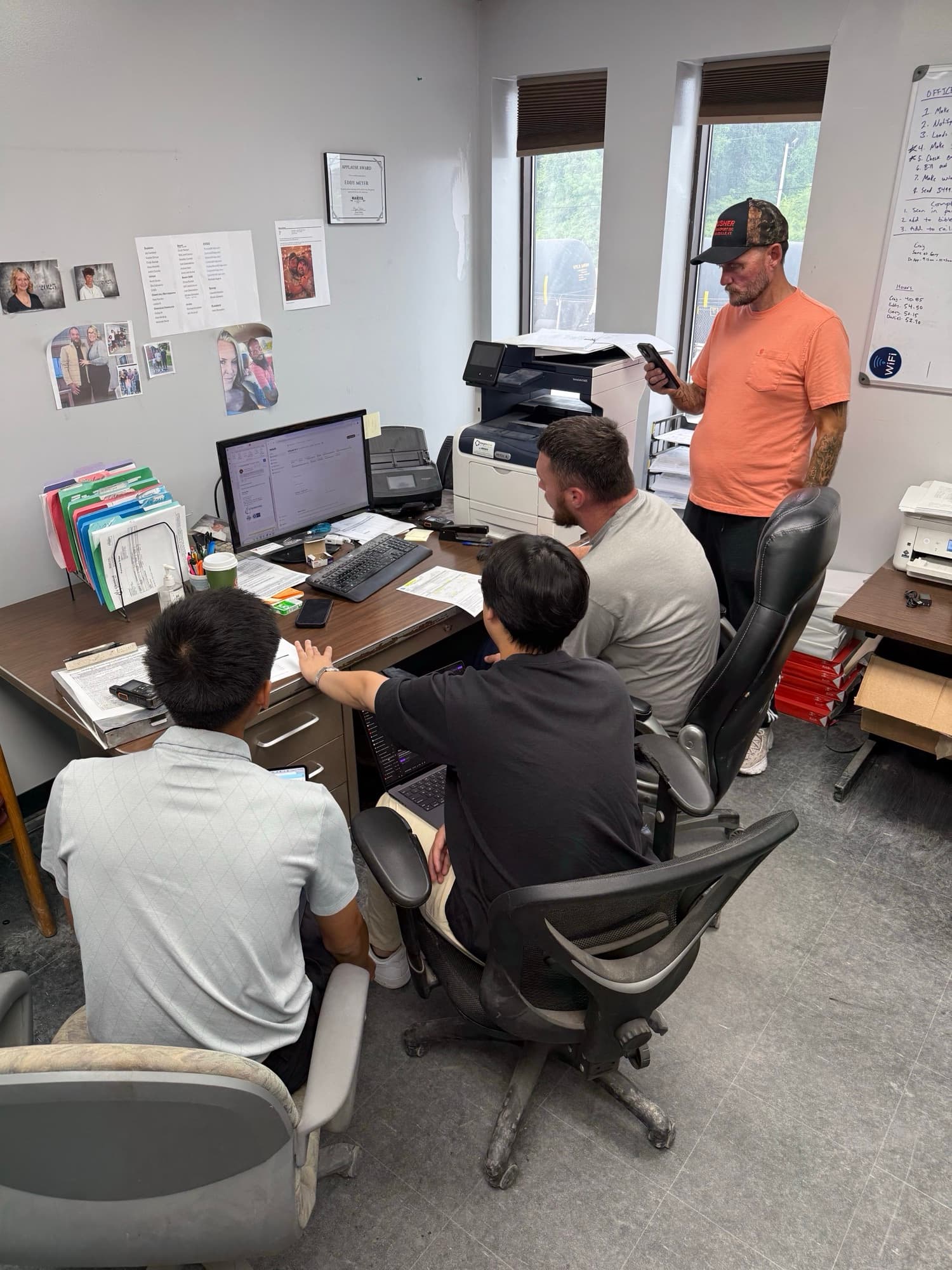
Rebulk didn't hand Usher a generic system and a login. The Rebulk team went onsite in Louisville, walked the transload yard, sat with dispatchers and operators, and set the system up around the way Usher's rail and supply chain team already works.
The rollout happened shoulder to shoulder with the people who use it every day, so when the team went live, the system already spoke Usher's language.
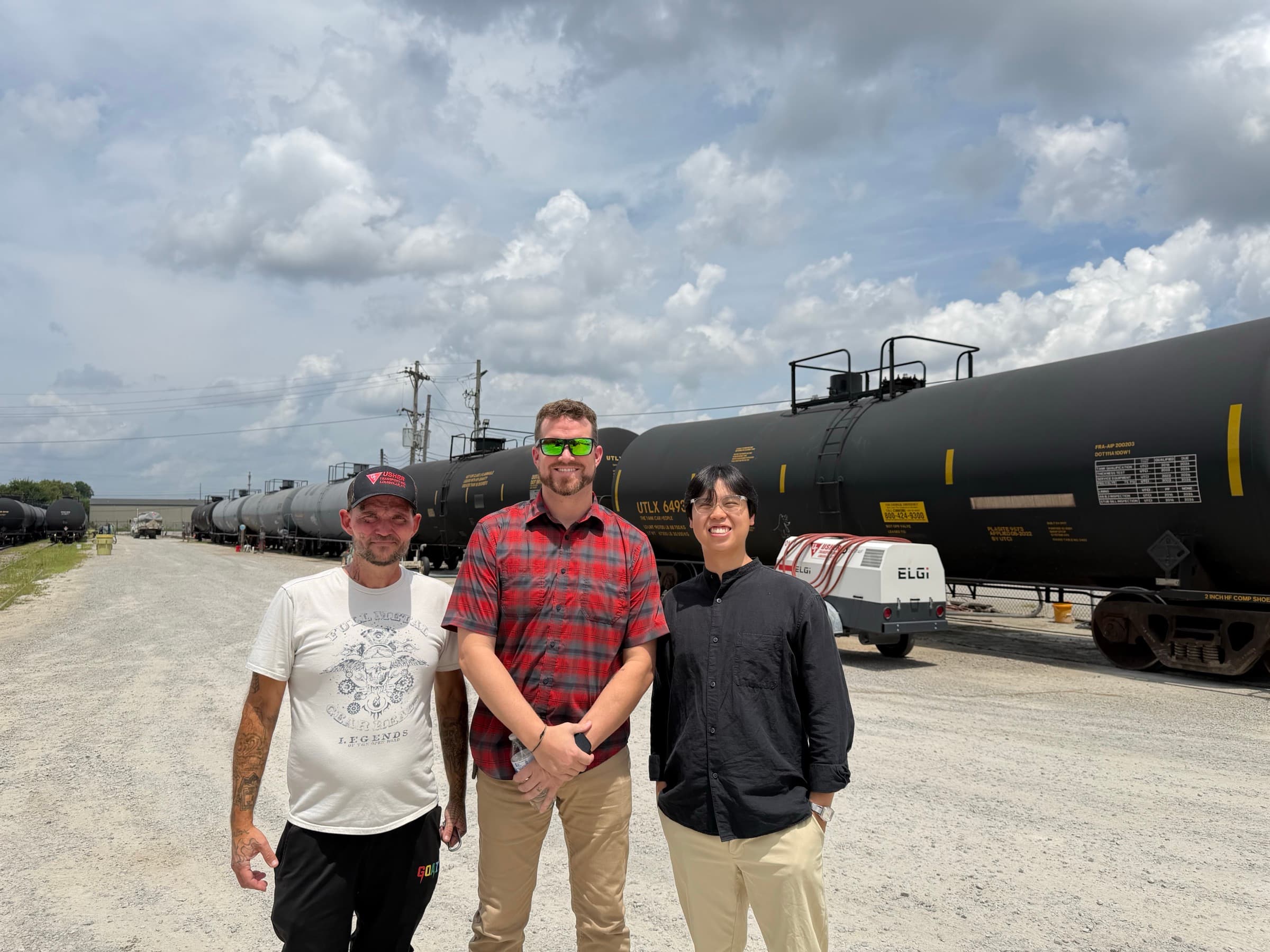
“From the first railcar to the final invoice, everything just flows. It's the smoothest system we've ever brought into this operation.”
What Rebulk helps Usher do
The easiest way to see it is to follow one railcar through Usher's yard, from the moment it arrives to the moment it's billed, without a single phone call or sheet of paper in between:
Step 1
Car arrives
Spotted at the yard and logged in Rebulk the moment it shows up.
Step 2
Status tracked
Every move, hold, and release recorded. No radio calls needed.
Step 3
Product transloaded
Quantities captured as product moves from rail to tank trailer.
Step 4
Paperwork attached
BOLs and hazmat documents tied to the car, not a filing cabinet.
Step 5
Invoice ready
Billing line items already built by the time the car is released.
And everything around that car lives on the same screen: